

Coastal Living: What Buyers Should Know Before Moving Near the Beach
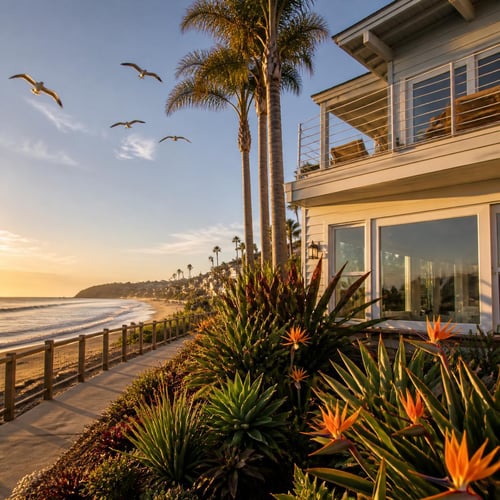
There's something undeniably appealing about living near the ocean. Morning walks on the sand, breathtaking sunsets, fresh sea breezes, and a laid-back lifestyle are just a few of the reasons why many dream of owning a coastal home. In places like San Diego, beach communities are among the most desirable, competitive, and expensive real estate markets.
While coastal living offers incredible perks, it's important to understand the unique considerations that come with owning a home near the water. If you're thinking about making the move, here's what you should know before buying a beach property.
The Lifestyle Is Hard to Beat
One of the biggest reasons buyers choose coastal communities is the lifestyle.
Living near the beach often means:
- Easy access to the ocean and outdoor recreation
- Walkable neighborhoods with shops and restaurants
- Mild temperatures year-round
- Beautiful scenery and sunsets
- An active, outdoor-oriented community
For many homeowners, the lifestyle alone makes the investment worthwhile.
Home Prices Are Typically Higher
Beach communities are some of the most sought-after places to live, and demand often exceeds supply.
Because land near the coast is limited, buyers should expect:
- Higher purchase prices
- Increased competition
- Higher property taxes based on the purchase price
- Potentially larger down payment requirements
While coastal homes often command premium prices, they have also historically held strong long-term value due to limited inventory.
Salt Air Requires More Maintenance
Ocean views come with salty air, and salt can be surprisingly tough on a home.
Over time, salt exposure can accelerate wear on:
- Exterior paint
- Metal railings and fixtures
- HVAC equipment
- Window frames
- Roofing materials
- Outdoor furniture
Homeowners should expect more frequent maintenance to protect their investment and extend the life of exterior components.
Insurance Costs May Be Different
Depending on the property's location, insurance premiums may be higher than homes farther inland.
Factors that can affect insurance costs include:
- Proximity to the ocean
- Flood risk
- Wind exposure
- Replacement costs
Before making an offer, it's a good idea to obtain insurance quotes so there are no surprises after closing.
Understand Flood Zones
Not every coastal home is located in a flood zone, but some are.
If a property falls within a designated flood hazard area, lenders may require flood insurance.
Before purchasing, review:
- FEMA flood maps
- Local flood zone designations
- Insurance requirements
- Previous flood history, if available
Knowing these details upfront can help you better understand your long-term ownership costs.
Parking Can Be Limited
Many beach communities were developed decades ago, long before today's vehicle ownership levels.
Depending on the neighborhood, you may encounter:
- Limited street parking
- Narrow roads
- Smaller garages
- Seasonal parking congestion
If you frequently entertain guests or own multiple vehicles, parking should be an important consideration during your home search.
Vacation Crowds and Tourism
Living near the beach means you'll likely share your neighborhood with visitors, especially during holidays and the summer months.
This can bring:
- More traffic
- Increased noise
- Crowded beaches and restaurants
- Limited parking during peak seasons
Many homeowners consider these minor trade-offs for enjoying the beach lifestyle year-round, but it's worth experiencing the area at different times of the year before making a purchase.
Consider HOA Rules and Short-Term Rental Regulations
Some coastal properties are located within homeowners associations (HOAs) that have rules regarding:
- Exterior modifications
- Parking
- Pets
- Rental restrictions
Additionally, many cities have regulations governing short-term vacation rentals.
If you're considering renting out the property, even occasionally, be sure to understand the local rules before buying.
Outdoor Living Becomes Part of Everyday Life
One of the greatest advantages of coastal living is spending more time outdoors.
Many buyers prioritize homes with:
- Patios
- Decks
- Rooftop terraces
- Balconies
- Outdoor kitchens
- Gardens
These spaces often become natural extensions of the home and can significantly enhance everyday living.
Resale Value Can Be Strong
While no market is guaranteed, homes in desirable coastal communities often benefit from consistent buyer demand.
Limited land, desirable locations, and the appeal of the beach lifestyle have historically helped many coastal properties retain their value over the long term.
Buying near the coast isn't just about today's lifestyle, it can also be a long-term investment in a location that remains highly sought after.
Final Thoughts
Living near the beach offers a lifestyle that few places can match. From ocean breezes and scenic views to walkable neighborhoods and year-round outdoor recreation, it's easy to see why coastal homes are in such high demand.
However, buyers should also understand the practical realities of coastal ownership, including maintenance, insurance, parking, and local regulations. Taking the time to research these factors before purchasing can help you find a home that fits both your lifestyle and your budget.
If you've been dreaming of coastal living, working with a knowledgeable local real estate professional can help you navigate the market and find the right property to enjoy for years to come.






 2820 Camino del Rio South, Ste.314,